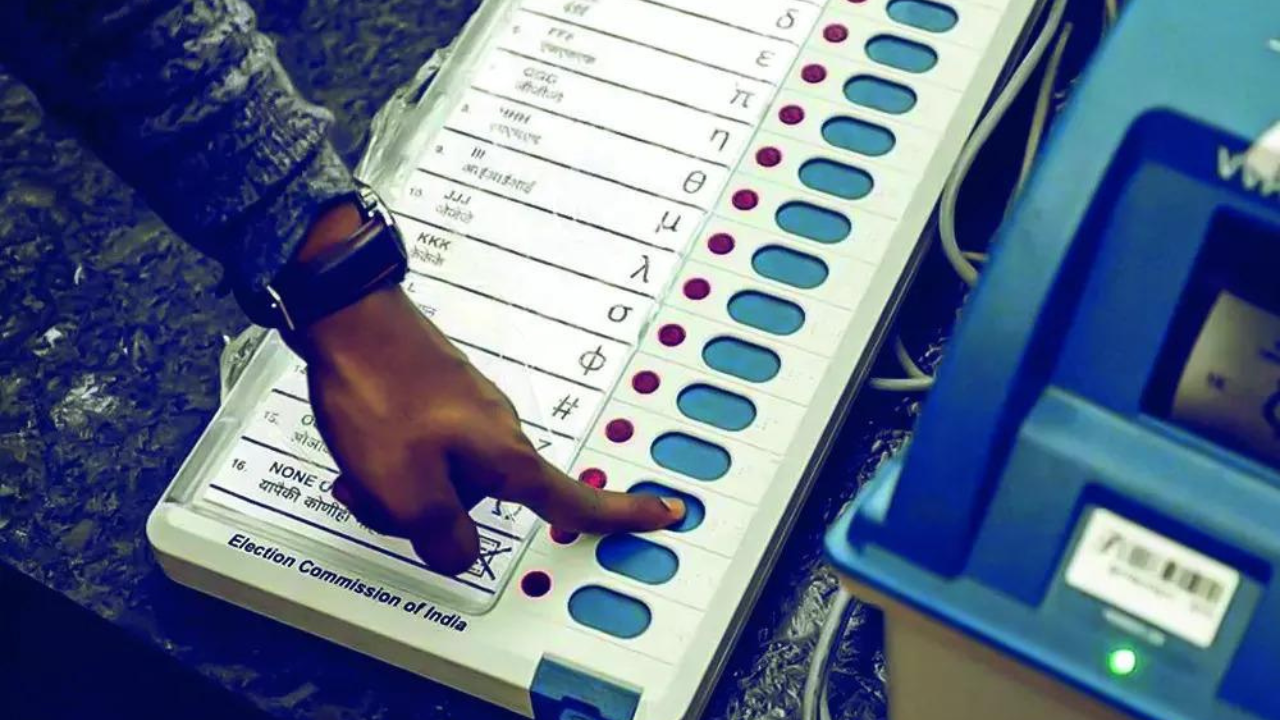
As the counting of votes, polled under Bharat’s General Elections 2024 in seven phases spreading several weeks involving millions of electorates, is already completed and the outcome shows an encouraging trend for the opposition alliances, it seems the electronic voting machines (EVM) gets the much need approval from those hyper-sensitive political parties. If, at all, the outcome had reflected the majority of exit poll findings favouring the ruling Bharatiya Janata Party (BJP) and its allies to form the 18th Lok Sabha, EVMs as well as the Election Commission of India (ECI) would have been made accountable for the outcome. CEC Rajiv Kumar, ECs Gyanesh Kumar & Sukhbir Singh Sandhu had earlier extended profound gratitude to voters, political parties, polling machinery and everyone involved in making the giant electoral process a success. Over 64 crores Indian voters, who made it to the polling station overcoming many challenges, had risen to the trust reposed by the founders of Indian Constitution, when they handed over the power of suffrage to the common voters.
The impressive participation of electorates irrespective of their caste, creed, religion, socio-economic and educational background, in the democratic exercise reaffirms the democratic ethos and spirit of India. Indian democracy and Indian elections have again done the magic again, where the real winner is the voters. ECI also expressed its gratitude to the entire election machinery including security forces for their dedication and commitment in providing a smooth, peaceful and festive environment to voters across the vast country, braving tough weather, logistical challenges like tough terrains and managing law and order in a diverse demography. It also thanked all political parties and candidates which are a critical pivot of the Indian elections. Commission remained thankful to the print, electronic and digital media for their contribution as it always considers the media as an ally for free & fair elections. ECI finally aspired that the next generation voters of Bharat will take this participation to even greater heights.
For records, the ruling saffron party won in 240 Parliamentary seats (out of 543 constituencies went to polls), followed by Indian National Congress (99 seats), Samajwadi Party (37), All India Trinamool Congress (29), Dravida Munnetra Kazhagam (22), Telugu Desam (16), Janata Dal-United (12), Shiv Sena-Uddhav Balasaheb Thackrey (9), Nationalist Congress Party – Sharadchandra Pawar (8), Shiv Sena- S Sindhe (7), Lok Janshakti Party-Ram Vilas (5), Yuvajana Sramika Rythu Congress Party (4), Communist Party of India-Marxist (4), Rashtriya Janata Dal (4), Yuvajana Sramika Rythu Congress Party (4), Indian Union Muslim League (3), Jharkhand Mukti Morcha (3), Aam Aadmi Party (3), Janasena Party (2), Communist Party of India (2), Communist Party of India-Marxist Leninist (2), (Liberation), Janata Dal-Secular (2), Viduthalai Chiruthaigal Katchi (2), Rashtriya Lok Dal (2), Jammu & Kashmir National Conference (2), Asom Gana Parishad (1), United People’s Party Liberal (1), Zoram People’s Movement (1), Sikkim Krantikari Morcha (1), Kerala Congress (1), Revolutionary Socialist Party (1), Nationalist Congress Party-Ajit Pawar (1), All India Majlis-E-Ittehadul Muslimeen (1), Marumalarchi Dravida Munnetra Kazhagam (1), Rashtriya Loktantrik Party (1), Shiromani Akali Dal (1), etc.
Two north-eastern States went to assembly polls along with the national elections, where both the ruling parties regained power. In Arunachal Pradesh, the BJP won 46 seats in the 60-member legislative assembly to retain power for the third time in a row. Meanwhile, both the LS seats were also won by saffron candidates in the frontier State. Similarly, the SKM won 31 seats leaving only one seat to the opposition Sikkim Democratic Front in Sikkim, where the ruling party candidate also emerged victorious in the lone Parliamentary seat. Congress has slightly gained in the region winning both the seats in Manipur one seat each in Meghalaya and Nagaland. The oldest party of India retains the same number of MPs from Assam, where the BJP won in nine seats and two of its allies won one seat each. Otherwise, the voters from the far eastern region comprising eight States put up an impressive polling to elect 25 members to the lower house of Parliament. Once termed as a land of separatists, the region recorded nearly 80% voters’ turnout in contrast with the national average of less than 70%. Kudos to them again
EVMs get approval !