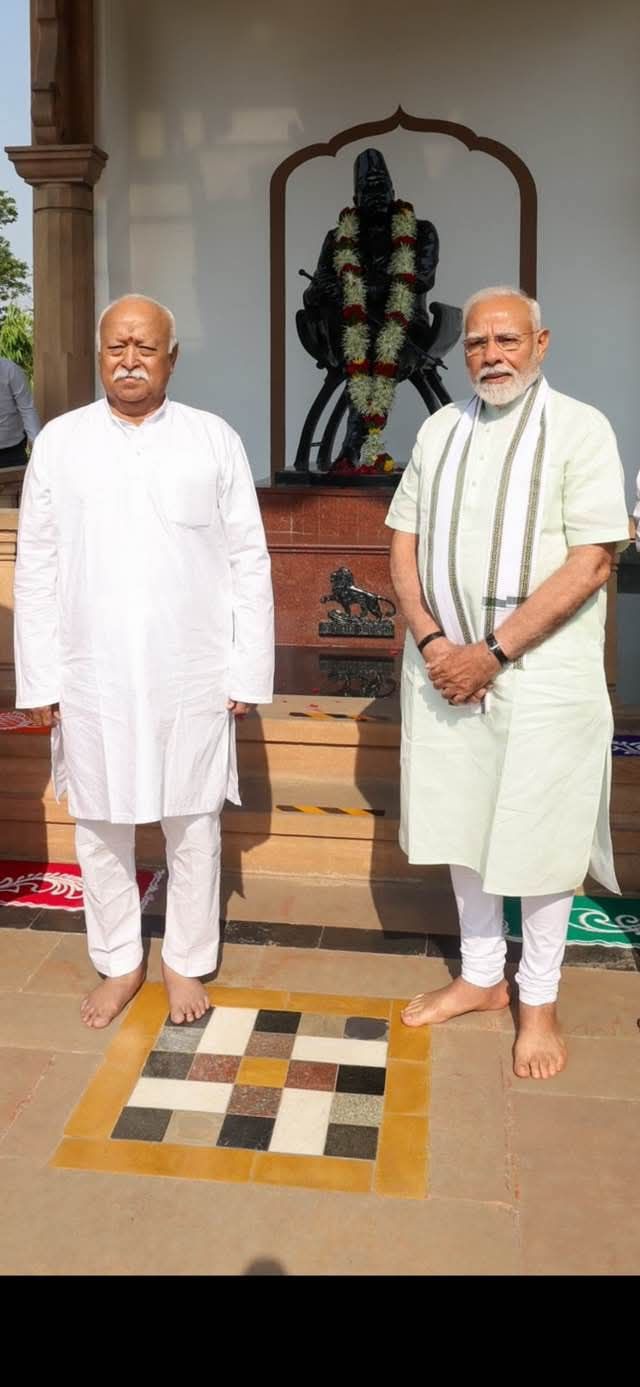
Assam government, as announced by State chief minister Himanta Biswa Sarma, is planning for an integrated judicial complex, which is expected to comprise the Gauhati High Court along with chief judicial magistrate and sessions courts of Kamrup (metropolitan) and Kamrup district in one campus. Attending the closing ceremony of GHC’s platinum jubilee on 14 April at Srimanta Sankardev Kalakshetra in the city, Sarma revealed his vision for the modern complex in presence of Prime Minister Narendra Modi, State Governor Gulab Chand Kataria, Union law & justice minister Kiren Rijiju, GHC’s chief justice Sandeep Mehta and other dignitaries. No doubt, the integrated complex will be helpful for the common people looking for justice in different occasions with lesser troubles.
Moreover, the initiative for such a complex in a favourable location inside the city may also boost the State government’s decision to beautify the bank of Brahmaputra from Pandughat to Chunchali area in the eastern part. Needless to mention that the government has already dismantled the Kamrup (m) district magistrate’s office, old city police commissioner’s office, bungalows for State police chief and city police head, old circuit house, etc to clear the areas and may be waiting to reorganise the Kamrup (metro) CJM court, GHC’s new building and two impressive residential bungalows for judges located on southern bank of the mighty river.
Appreciating for the visionary plan, Journalists’ Forum Assam (JFA) reiterated its demand for a comprehensive media centre in the prehistoric city, where the journalists can assemble for regular interaction and organise training/orientation programs, workshops, conferences for updating the media persons with the future course of actions. The forum of scribes appealed to the government to set up the centre in such a way that it can accommodate offices of various media organisations (including press clubs) along with other necessary facilities. With the number of professional journalists, associated with various newspapers, news channels, radio outlets, digital platforms, etc has been increasing in the city, the demand is justified, and the government should consider it.
Besides offices, a primary need will be an auditorium with around 1500 capacities equipped with a modern sound system and other technology-driven appliances. It should be ready for a video conference any time, where it can host important personalities like foreign country heads, acclaimed authors, illustrious journalists, etc. For the physical presence of an individual with utmost socio-political importance, the auditorium should fulfil the security needs (like separate entry/exit, lift, lobby with refreshing room, etc). Along with press conferences, it may be also used for regular training & orientation programs and media workshops for journalists (precisely the novice scribes from different parts of northeast India).
The centre must have a digital library with a sufficient number of internet-connected computer sets where the journalists can work according to their convenience. A good number of affordable lodging rooms for visiting journalists from different parts of the region should be accommodated. Another essential addition will be a restaurant/canteen, where the journalists and their well-wishers can hang out in a dignified ambience and pass quality time. Necessary parking space will have to be made inside the campus. Information offices of all north-eastern States, regional office of Press Information Bureau, probable official outlet of DoNER ministry may also be incorporated in the space.
The entire complex should be designed with the concept of energy efficiency, where the sunlight, natural airflow and open space would get due privileges. It should be empowered by rooftop solar energy units so that it hardly depends on regular electricity supply during the daytime. An efficient rainwater harvesting system, scientific arrangements for garbage management and recycling of water (used in the centre) should exhibit the complex as a new model of eco-friendly campus in the country. Inclusion of a public grievance unit on media discourses can add a different dimension to the centre, propagating advantages to the millions of news consumers. Finally, the proposed centre will indirectly help the Ambari archeological site reflecting ruins from the period of Sunga-Kushana dynasty (but currently occupied by Gauhati Press Club since 1976) to be encroachment-free in a dignified way.
Awaiting a modern media centre