Guwahati: Nature’s Beckon, a prominent bio-diversity conservation group of northeast India, proposes Assam government to declare two of
incredibly rich forests in Goalpara district, bordering Meghalaya and also Bangladesh as wildlife sanctuaries as both Ajagar and
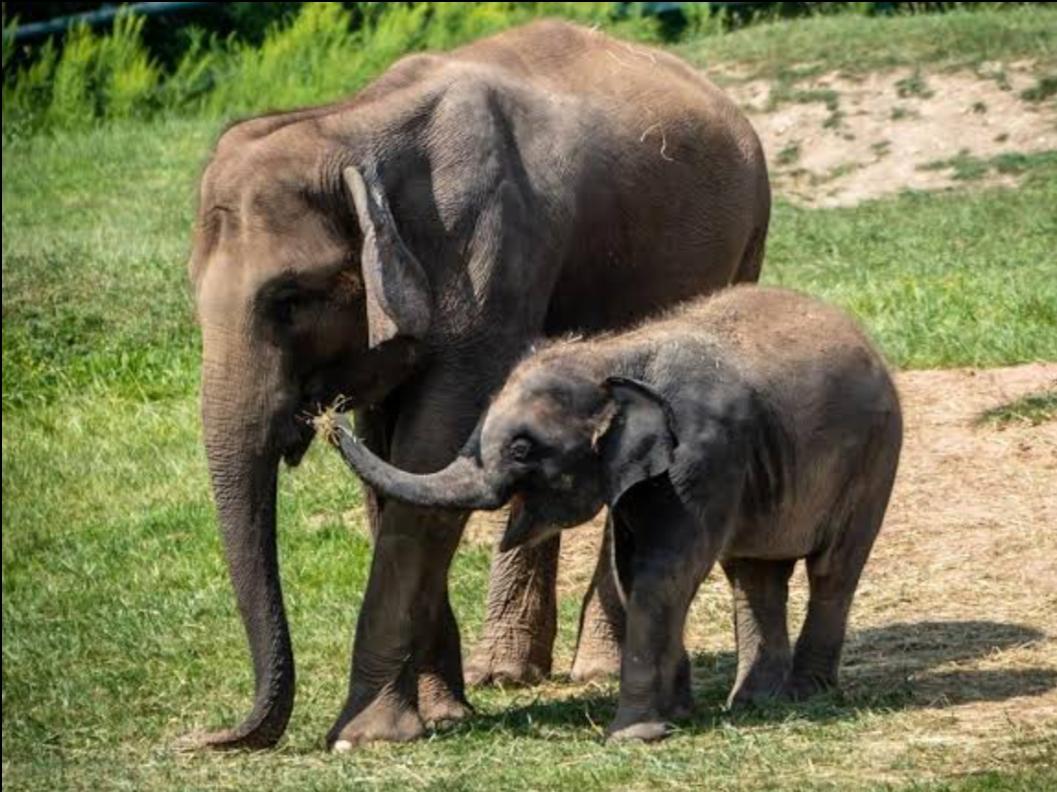
Pancharatna forests constitute the primary habitat for wild elephants in the region. Apart from Asiatic elephants, over 35 species of mammals like leopard,
slow loris, hog deer, barking deer, sambar, sloth bear, binturong, Indian porcupine, pangolin, crab eating mongoose, etc find both the
reserve forests as their ideal habitats. A wide range of wild birds (around 196 species in Ajagar forest and 168 species in Pancharatna
forest) are found there. As both the forest areas harbour a very rich biodiversity of rare flora and fauna, those need immediate protection and conservation
under the respective laws. Hence, the non-government group lately appealed to the government to constitute two different wildlife
sanctuaries covering both the forest reserves in Goalpara district of western Assam.
The proposed Ajagar Wildlife Sanctuary constitutes an approximate forest area of 4240 hectares and it provides shelter to a very large
resident population of priced Asiatic elephants, said Soumyadeep Datta, the director of Nature’s Beckon, in the proposal addressing
State chief minister Dr Himanta Biswa Sarma. On the other hand, the proposed Pancharatna WS constitutes an area of
around 976 hectares which is adjacent to Garo hills of western mMeghalaya that enables the free movement of wild elephants between the
two States through the patch. Moreover, the Pancharatna forest is recognized as a unique and safe place for elephants to give birth to
their calves. Kripa Lochan Das, an environmentalist working with the group, cited
that the wild elephants don’t give birth in all forests. Rather they make choices while bringing their new-ones as per their hereditary
tradition, said Das, who has been studying the habitat, behaviour and natural movements of Asiatic elephants for more than a decade now. He
added, because of it, Pancharatna forest is regarded as a sacred one
by the locals. Speaking to this writer, Datta explained that Goalpara remained an important area under the Kamrupa empire and thus an integral part of
Indian civilization for thousands of years. Various ancient temples, Buddhist shrines, stone edicts, gold coins and other archaeological
treasures found in this locality proudly depict its significance. “Shri Surjya Pahar that comprises India’s oldest stone carved temple
dedicated to Lord Ganesh, an ancient Buddha Stupa and many stone engraved temple complexes epitomize the rich heritage of Goalpara,
which is also exceptionally rich as a primary habitat for wildlife and natural forests,” said Datta. But today the wildlife and forests of Goalpara face abject inattention
from most of the governments in Dispur even after seventy years of India’s independence. With decades of political negligence, a large
part of forest lands is being encroached, where illegal timber trades, poaching of wildlife and other anti-social activities have grown
substantially in the recent past. Once the forests of Goalpara gave shelter to a dense population of
Gaur (wild bison), but unabated killing of the animal for its meat, precisely by the migrated people from erstwhile East Pakistan, led to
extinct of the beautiful species of wildlife. Even a sizable number of Hoolock Gibbons were found in Goalpara forests, but today the entire population of the rare ape species has been completely annihilated. A formal proposal was handed over to State environment and forests
minister Parimal Suklabaidya on 30 June which was followed by a pragmatic discussion with the CM’s political secretary Jayanta Malla
Barua over the matter. If materialized, Datta revealed, Assam will add two more preserves to the existing 19 wildlife sanctuaries and 7
National Parks.
Demand for constituting two wildlife sanctuaries in Goalpara raised