 New Delhi. The Rashtriya Swayamsevak Sangh (RSS) has faced consistent challenges in obtaining permission for its annual route marches in Tamil Nadu. The Dravidian governments have historically denied permission, prompting legal battles that have reached the Supreme Court.
The Supreme Court has been hearing Special Leave Petitions (SLPs) filed by the State against Madras High Court orders directing the police to grant permission to the RSS for route marches. Two recent orders, one by Justice G Jayachandran on October 16 and another by Justice G Ilangovan on October 18, have been challenged before the Apex Court.
On November 1, the Madras High Court strongly criticised the Tamil Nadu government for failing to comply with earlier court orders regarding permission for an RSS route march. Justice Jayachandran issued a statutory notice, expressing concern that the government had either demonstrated incompetence in administering the state or had disregarded court orders. Justice Jayachandran said, “This court on considering the facts of the case is prima facie convinced that the respondents are either incapable of administering the State or had ignored the order of this court with scant respect to the judiciary. Hence, statutory notice is issued to the respondents”.
When the APP urged the judge to reconsider the order dictated by him in open court and grant him at least an hour’s time to obtain instructions, the judge said: “Not necessary. I have passed my order. Let me proceed. You convince this court after four weeks. Don’t force this court to say something. It is better both of us kept quiet for now.”
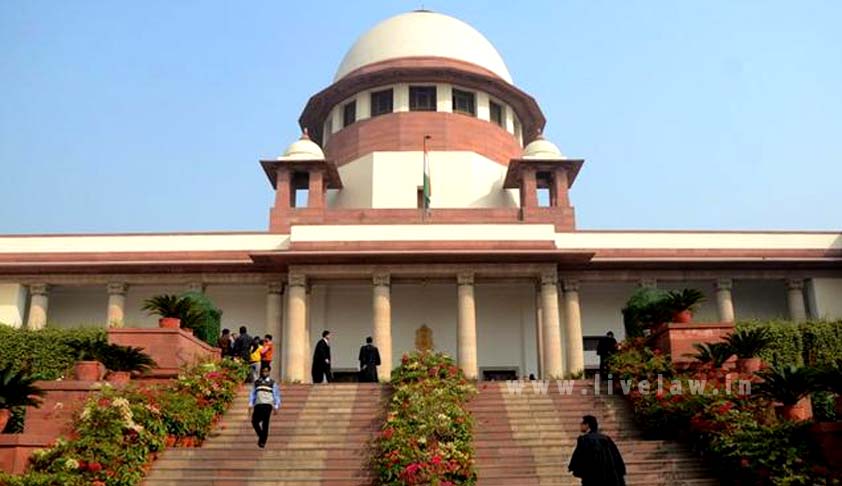
During the recent hearing of the SLPs, the Supreme Court directed the Tamil Nadu government to grant permission to the RSS for its annual route march. Following this directive, the route marches were conducted peacefully in 55 locations across the state.
In response to the denial of permission, RSS functionaries filed a contempt petition against the state government. During the SC hearing, Senior Advocate Kapil Sibal urged the suspension of contempt proceedings, citing the relief obtained by the RSS. However, this was opposed by Senior Advocate Guru Krishna Kumar, representing the RSS.
The Supreme Court refused to close the contempt proceedings and directed the DMK-led government to submit a proposal before the Madras High Court. Justice Surya Kant expressed dissatisfaction with the recurrent need for judicial intervention, stating, “Both sides unnecessarily waste their time and the court’s time also. Which could be spent on some other pending cases?”
These developments are considered a significant victory for the RSS, as the Supreme Court’s decision restores the fundamental right of the organisation to conduct route marches. The ongoing legal battle has highlighted the complex interplay between the right to expression and the authority of state governments to regulate public events, setting a precedent for future interactions between political organisations and administrative bodies.